



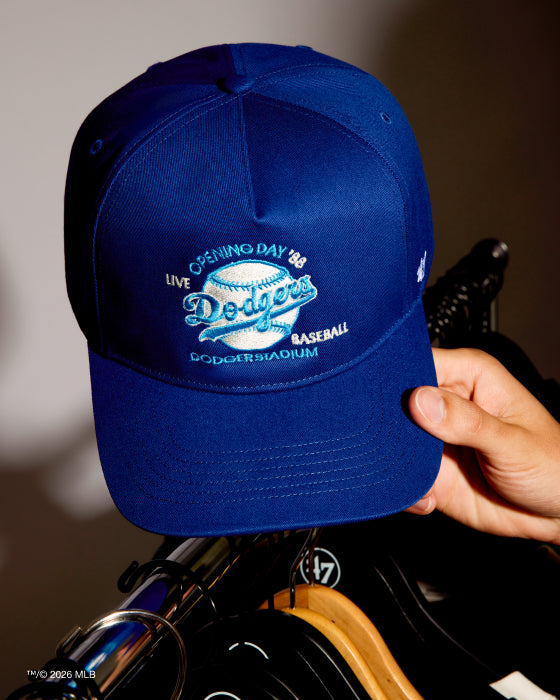





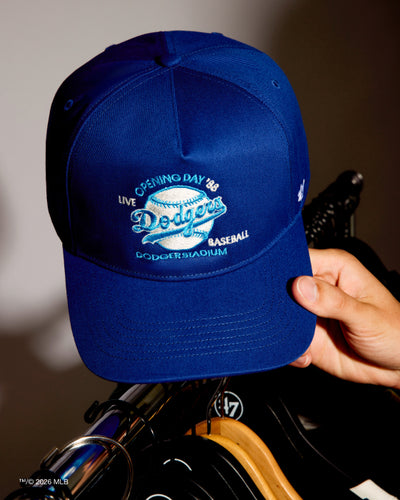




The Los Angeles Dodgers: A History Told Through Their Iconic Logo
The Los Angeles Dodgers™ are more than just a storied baseball franchise; they’re a cultural institution. But their legacy isn't written only in home runs, pennants, and World Series titles, it's also woven into their branding, most notably their iconic logo. From their roots in Brooklyn to their dominance in Los Angeles, the Dodgers logo has evolved alongside the team, reflecting shifts in geography and identity. Let’s take a look at the Dodgers’ journey through the lens of their logo.
Brooklyn Beginnings: The Early Days
Before they were the Dodgers, the team went by many names: the Grays, the Bridegrooms, the Superbas, and the Robins. It wasn't until the 1930s that they became the "Dodgers," short for "Trolley Dodgers," a reference to Brooklyn’s streetcar system. The Dodgers logo featured a gothic script "B" for Brooklyn, and as the team solidified its logo, it also solidified its standing in baseball. In 1947, the Dodgers broke baseball’s color barrier, changing not just the game, but American society as a whole. With it the “B” came to symbolize one of the most pivotal moments in sports history.
The Move West: A New City, A New Identity
When the Dodgers shocked fans by relocating to Los Angeles in 1958, the team needed a new identity and a new logo. The “B” was retired, and a modern script “Dodgers” became the centerpiece of the brand. The 1958 logo introduced the now-iconic red baseball streaking across a blue script “Dodgers” wordmark, perfectly aligned with the glitz and glamour of post-war Los Angeles. While this new Los Angeles Dodgers logo seemed playful, it communicated a broader idea: this wasn’t just a move across states, it was a move into the future. The Dodgers were expanding the league’s footprint and becoming one of the first ambassadors of West Coast baseball.
Refining a Classic: Subtle Changes Over the Years
Over the next two decades, the Dodgers refined rather than overhauled their logo. Their wordmark remained largely unchanged with minor tweaks to the script “Dodgers” and the placement of the flying red baseball. The 1990s and 2000s saw only minimal adjustments in color tone and line weight. The red baseball’s tail became slightly more dynamic, and the lettering was cleaned up. But the message stayed the same: timelessness. This consistency paid off, and the Los Angeles Dodgers logo became one of the most recognized in sports.
Cultural Impact: Beyond the Ballpark
At the same time, the “LA” cap logo has taken on a life of its own in pop culture. This minimalist symbol, originally introduced in the late ’50s alongside the move, gained even more prominence as the entertainment industry embraced the iconography of Los Angeles. From hip-hop to Hollywood to fashion, the Dodgers logo has become a staple in streetwear rivaled only by the New York Yankees cap, helping solidify the Dodgers as not just a baseball franchise, but a global brand.
Interlocking the Los Angeles Community
Today, the Dodgers use both the script logo with the flying red baseball and the interlocking “LA” monogram. These dual symbols work in harmony: one pays tribute to their Brooklyn-to-Los Angeles journey, the other captures the spirit of the city they call home, a symbol of Los Angeles identity and West Coast pride. The Los Angeles Dodgers logo history tells a story of a team willing to move across the country to chase greatness. A story of breaking racial barriers. A story of enduring excellence. In a world of ever-changing trends, the Dodgers have understood the power of consistency and tradition, building equity in a logo that fans can rally behind for generations, always proud, always moving forward, and unmistakably Los Angeles.